
WHEN IS THE ‘GOLDEN’ TIME TO HELP CHILDREN LEARN ENGLISH QUICKLY AND PROFICIENTLY?
Parents should not miss the ‘golden’ time for their child to learn English and become proficient bilingual from an early age.
Two ‘golden‘ moments for children to study English
The ongoing debate surrounding the ideal age for children to commence learning a second language primarily revolves around two age groups:
– First Age Range: Parents are encouraged to familiarize their children with a second language between the ages of 2-4. Learning during this period does not necessarily involve formal education but emphasizes exposing children to the second language through various means such as movies, audio stories, and songs….
This stage offers multiple advantages for young learners. Preschoolers absorb languages rapidly due to their receptive minds, resembling blank slates. Since they haven’t developed extensive speaking abilities, their time is predominantly spent listening.
Actively listening throughout the learning process aids in a more natural language absorption. Children can grasp the language’s intonation and meaning, subsequently assimilating, processing information, and speaking the second language akin to acquiring their native tongue without the need for formal education.
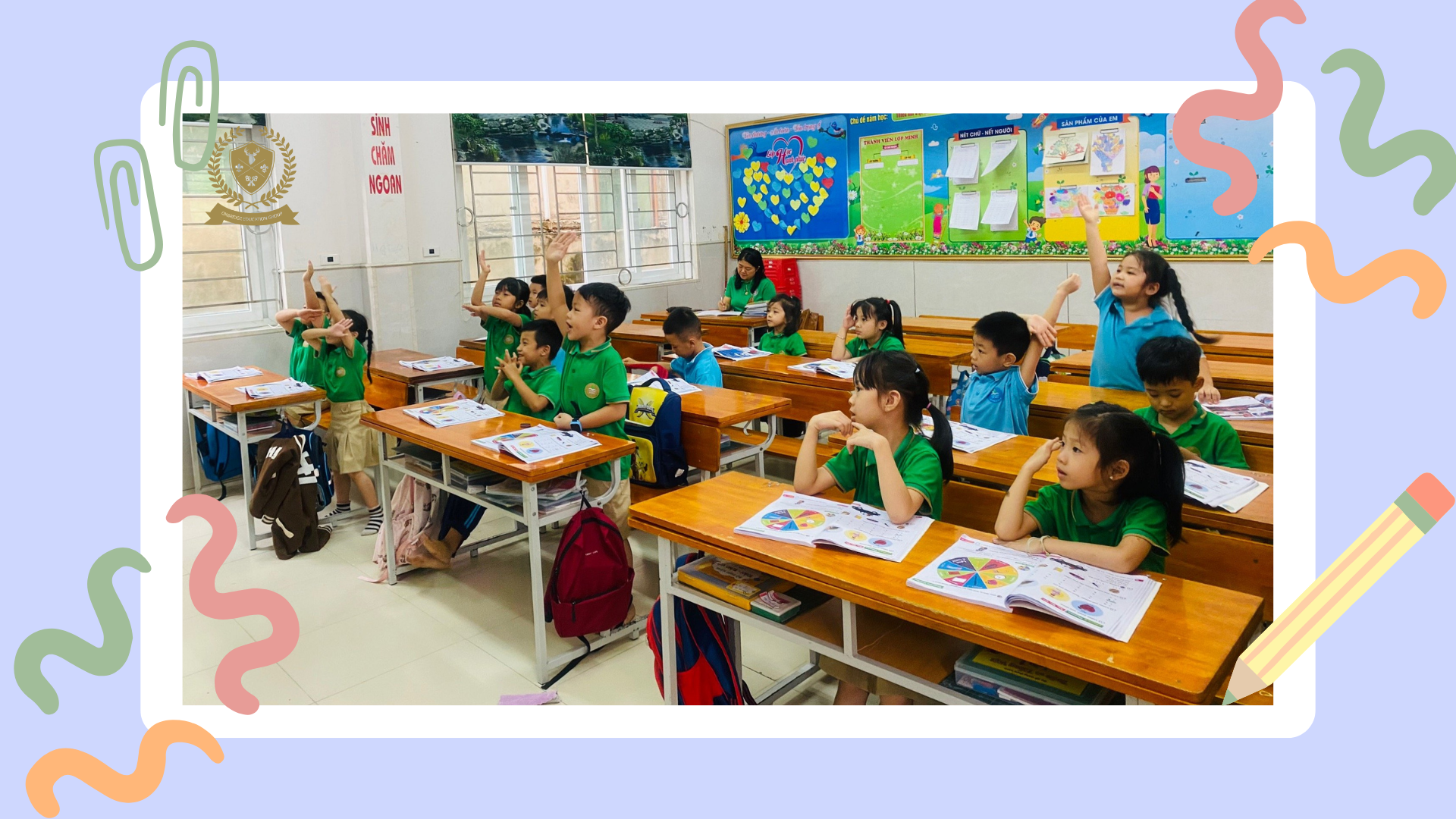
– Second Age Range: Parents may consider introducing their children to English studies around the ages of 6-7. At this juncture, children have a foundational understanding of their native language, making it an opportune time to introduce another language.
Initiating second language studies at this age diminishes the likelihood of language disorders. However, achieving native-like fluency at this starting point necessitates a more prolonged period of time and dedicated effort.
Source: Giáo Dục Thời Đại